
Safe ulcer treatment for horses recommended by vets focuses on proven medications, careful management changes, and supportive supplements that work together to heal the stomach and prevent ulcers from returning. Equine gastric ulcers are extremely common in performance horses, competition horses, and stabled horses, and can cause pain, poor performance, weight loss, and changes in behaviour. Vets now recognise that the safest and most effective way to treat ulcers in horses is a combination of correctly prescribed drugs like omeprazole, changes to feeding and turnout, and carefully chosen gut‑support products. When owners follow a vet‑designed ulcer treatment plan, most horses show significant improvement in comfort, appetite, and attitude.
Equine stomach ulcers usually develop when strong stomach acid irritates the sensitive upper part of the stomach lining. Horses are designed to graze almost constantly, so their stomach produces acid 24/7—even when empty. Modern management practices like limited turnout, long periods without forage, high‑grain diets, frequent travel, and competition stress all increase ulcer risk. Common signs include girthiness, reluctance to go forward, sour behaviour when being groomed or tacked up, poor appetite, mild recurrent colic, teeth grinding, dull coat, and weight loss. Because these signs can be subtle and overlap with other conditions, vets recommend gastroscopy (scoping the stomach) to confirm a diagnosis and guide safe treatment.
The gold standard, vet‑recommended treatment for stomach ulcers in horses is omeprazole, a proton pump inhibitor (PPI) that safely reduces gastric acid production. By lowering acid levels, omeprazole allows the damaged stomach lining to heal. Veterinarians prescribe omeprazole at a specific dose per kilogram of bodyweight, often as a once‑daily oral paste or granule, usually for a minimum of 3–4 weeks, and sometimes longer for serious cases. This medication is widely regarded as the safest and most effective primary treatment when used under veterinary supervision and according to label or prescribed instructions.
In some cases, vets may also recommend additional medications to support healing and protect the stomach lining. Sucralfate is a common add‑on that acts like a protective bandage inside the stomach and upper small intestine, coating ulcerated areas and helping them repair. Occasionally, other drugs may be used for hindgut issues or specific complications, but these should always be prescribed by a veterinarian. Safe ulcer treatment for horses means using licensed, tested medicines at correct doses, not guesswork or unregulated products.
Alongside medication, vets strongly recommend management and feeding changes as part of any safe ulcer treatment plan. Maximising turnout where possible, reducing long periods without forage, and feeding more frequent, smaller meals all help keep the stomach less empty and less acidic. Many vets advise giving a small amount of chaff or hay 20–30 minutes before exercise to form a “fibre mat” that protects the stomach lining during work. Swapping very high‑starch feeds for lower‑starch, higher‑fibre options and adding oil or fat for calories can also reduce acid splash and support gut health.
Once a vet has started medical treatment, stomach‑soothing supplements can provide additional support—especially before, during, and after stressful periods such as travel, shows, yard moves, or box rest. Vet‑friendly gut supplements often include ingredients like pectin, lecithin, seaweed extracts, slippery elm, marshmallow root, aloe vera, and gentle buffering minerals such as calcium and magnesium compounds. These help support the stomach’s natural mucus layer, coat sensitive areas, and buffer excess acid. High‑quality products will be low in sugar and starch and clearly labelled, making them suitable for long‑term support in ulcer‑prone horses.
Vets also pay close attention to the hindgut, as colonic irritation can occur alongside gastric ulcers or as a result of stress and diet. Some safe ulcer treatment programmes include prebiotics, probiotics, and yeast products to support a healthy hindgut microbiome. Ingredients like live yeast cultures, MOS (mannan‑oligosaccharides), and FOS (fructo‑oligosaccharides) may help stabilise digestion, reduce gas, and support fibre breakdown. Because much of the horse’s immune system is linked to the gut, promoting hindgut health can improve overall resilience while the stomach heals.
A key part of safe ulcer treatment for horses recommended by vets is avoiding unproven or harsh products that can irritate the gut or interfere with prescribed drugs. Not all “ulcer” or “gut health” supplements are the same: some contain excessive bicarbonates, high sugar levels, strong essential oils, or stimulatory herbs that may not be appropriate for an ulcer horse. Veterinary‑led programmes focus on evidence‑based medications and gentle, supportive ingredients, not quick‑fix gimmicks. Owners should always tell their vet about any supplements they plan to use so the whole treatment plan works together safely.
Monitoring progress is vital. Many vets recommend re‑scoping (a follow‑up gastroscopy) after a course of omeprazole, especially in severe cases or performance horses, to ensure ulcers have healed fully and to adjust management if necessary. In other situations, improvement is assessed through changes in appetite, body condition, behaviour, and performance. Horses that respond well to safe, vet‑recommended ulcer treatment typically show better appetite, improved body condition, reduced girthiness and irritability, more willingness to go forward, and fewer mild colic episodes.
Preventing recurrence is just as important as treating existing ulcers. Vets often design a long‑term prevention strategy that might include:
- More turnout and social contact where practical
- Ad‑lib or more frequent forage feeding
- Lower‑starch, higher‑fibre concentrate diets
- A small forage or chaff feed before exercise and travel
- Strategic use of gut‑support supplements around stressors
- Reviewing workload, rugging, and yard routines to reduce stress
For high‑risk horses, vets may also use lower, maintenance‑level doses of omeprazole or carefully timed courses around particularly stressful periods, always balancing effectiveness with the safest possible long‑term approach.
Safe ulcer treatment for horses recommended by vets is always individualised. A young racehorse, an upper‑level eventer, a show jumper, and a retired companion will each have different risk factors, workloads, diets, and management limitations. A good equine vet considers all of these before recommending the exact combination of medication, feeding changes, and supportive supplements. This personalised approach gives each horse the best chance of healing and staying comfortable in the future.
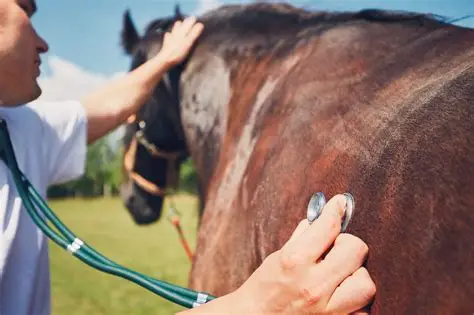
Owners sometimes wonder whether they should start “ulcer treatment” on their own if they suspect a problem. Vet‑recommended guidance is clear: while some management improvements and gentle gut supplements are safe to try, true medical treatment should be based on diagnosis, not guesswork. Other conditions—such as dental pain, musculoskeletal issues, hindgut problems, or behavioural challenges—can mimic ulcer signs. Only a veterinarian, often using gastroscopy, can confirm ulcers, assess their severity and location, and rule out other causes of discomfort.
Choosing safe ulcer treatment for horses recommended by vets means relying on licensed medications like omeprazole, science‑based management changes, and carefully selected gut‑support products rather than unproven remedies. This comprehensive, veterinary‑led approach offers the best chance of healing the stomach lining, restoring comfort, and preventing ulcers from coming back. With prompt diagnosis, appropriate treatment, and thoughtful long‑term management, many horses with ulcers return to full work, regain condition, and show a calmer, happier attitude to life.